Home renovations bring to mind a few varying emotions: excitement, fear, and anxiety. You’re going to invest plenty of time, effort, and money into making your house beautiful, and it’s important that you consider everything necessary to ensure the project goes well. We’ve compiled a list of the 20 most common home renovation mistakes you should try to avoid during your next renovation.

1. Starting Renovations Too Soon
There are few things more exciting than a home renovation project. That said, there are few mistakes more common than homeowners starting renovations too soon. If you just moved into a home, we recommend living in the space for some time before starting the renovation process. This will allow you to get familiar with the space, learn its flow, and see how you interact with it on a daily basis.
2. Underestimating Costs
As complicated as they are, you’ll want to do what you can to accurately estimate the costs associated with your home renovations. Many projects require more material, support, and labour than originally anticipated, and it’s best to be prepared for that should it happen. A renovation contingency is often helpful, but the right amount should depend on the age of the home, project scope, structural work, and unknown conditions.

3. Expecting Everything to Go According to Plan
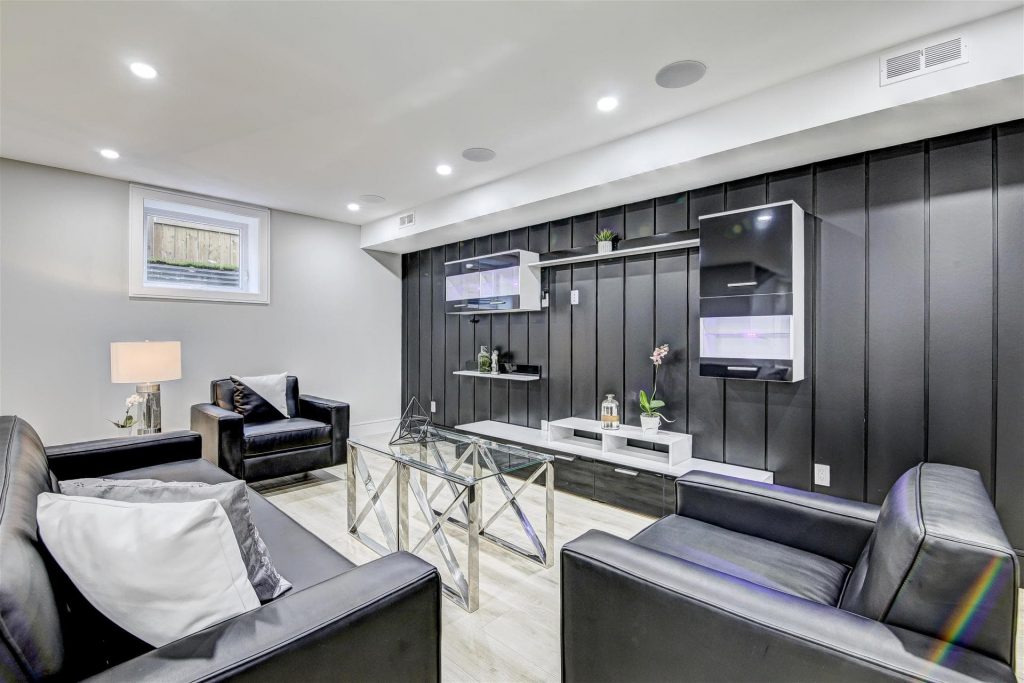
The only thing you can guarantee with home renovations is that things may not go exactly according to plan. Ensure that you have a backup strategy in the event of mistakes that push the project over the expected timeline, as well as a cash reserve for any issues that push it over budget. Issues that arise throughout the process will feel less stressful if you’ve prepared for them.
4. Not Hiring a Designer from The Start
You’re going to live with your newly renovated space for quite some time. In order to prevent a lack-luster outcome, or the headache of undoing and redoing elements mid-project, enlist the help of a designer and architect, if applicable, as early in the process as possible. Not only can this save you money in the long run, but it will help ensure that your renovations end up looking exactly as you’d hoped. Professional architectural planning is especially important for larger layout, structural, or permit-related changes.


5. Hiring a Professional That’s Not a Good Fit
Home renovations are very personal. With so many professional support options available, you’ll want to work with an individual or team that aligns well with your vision and objectives. This will help you craft a truly beautiful space and enjoy the process from start to finish. You can also review these tips for hiring a home remodeling contractor before making your final decision.
6. Not Asking for References
There are a lot of contractors and renovation companies vying for your business. Be sure to conduct proper due diligence to ensure that the company you’re selecting is of high quality. Asking for references of past clients is one of the best ways to gauge the true quality of their service.

7. Waiting Too Long to Consult a General Contractor
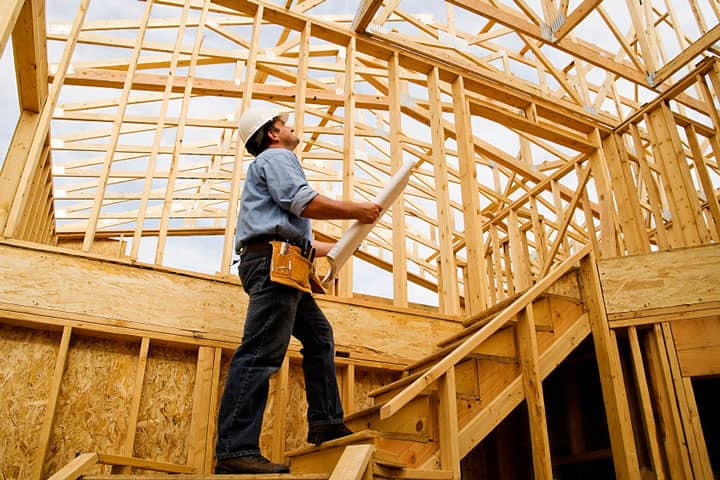
In order to properly understand the costs associated with your home renovation designs, you’ll want to consult a general contractor early in the process. This will help ensure that you’re aware of the time and budget requirements associated with the renovation considerations. For larger projects, a renovation consultant can also help you review project scope before work begins.
8. Pretending to understand a design scheme
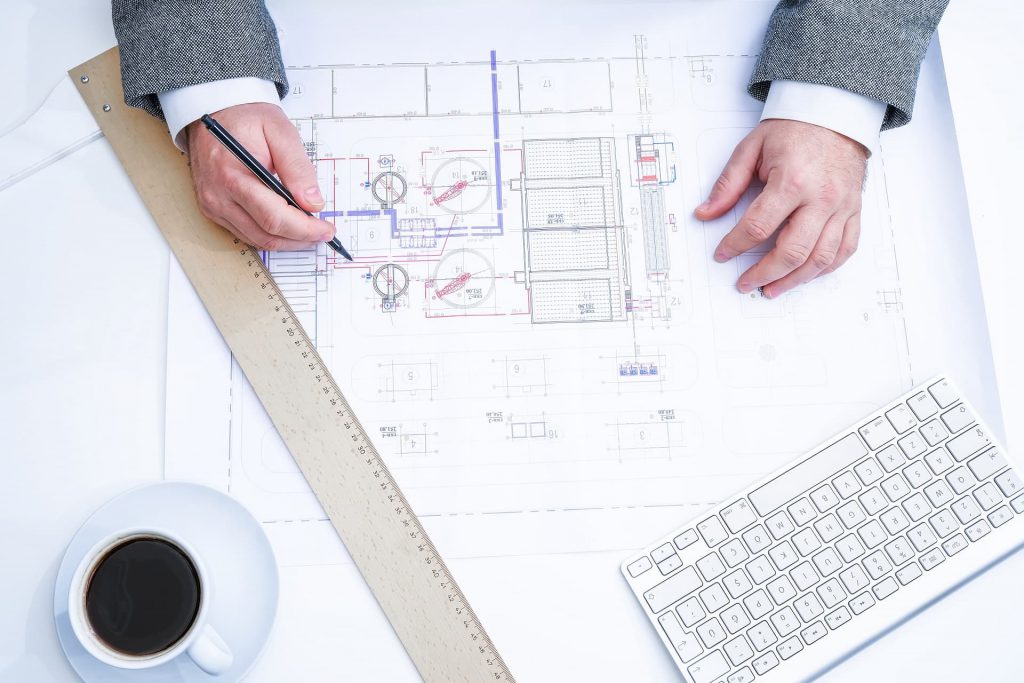
As someone who may not be experienced in the industry, understanding design blueprints isn’t expected of you. Instead of pretending to understand the drawings, map out the framework specifics in your physical space and see how they flow and feel. Placing tape on the floor is one of the easiest ways to get this done.

9. Not Asking Enough Questions
When it comes to home renovations, there are no dumb questions. Projects are complex, and you’re spending quite a bit of money to complete them, so ensure that you’re asking the questions needed to create an end-result you’re happy with.
10. Making Too Many Changes Along the Way
If you’ve found a design you like, and have spent time deciding on the unique elements, materials, and styles, don’t make too many unnecessary changes along the way. Not only will these adjustments lengthen the time until project completion, but they’ll also begin to add to your overall project cost due to the additional work requirements.


11. Not Setting up A Timeline
Prior to actually breaking ground, you’ll want to work with your contractor to determine project requirements and assign trackable deadlines. Putting detailed project timelines in place will help to ensure that things move forward without major delays.
12. Interiors as An Afterthought
Ensure that you’ve considered every project element – both interior and exterior – before starting work. This will provide confidence that nothing is being overlooked, allowing you to rest assured that you’re prepared for a beautiful finished product both inside and out.


13. Skimping on Quality
Major renovations are a one-every-few-years item, and so when they come due, you should focus on crafting spaces that will endure the years of use ahead. Focus on high quality labour and materials and enjoy not having to busy yourself with repairs, replacements, and other headaches over time.
14. Splurging Where You Should Save
Throughout the renovation process, it’s important to not overlook affordability options as they arise. Your largest items don’t necessarily need to be the most expensive, and you can certainly find ways to save meaningful amounts of money without jeopardizing the overall project quality.


15. Not Knowing Measurements
You’ll want to ensure that everything fits together nicely in your newly renovated house. Create a detailed list of the items you’re looking for and always have measurements handy so that you can purchase the right pieces as they arise.
16. Not Getting Everyone on The Same Page
Every decision maker involved in your renovation project will need to be on the same page to ensure things get done efficiently and effectively. Document all relevant project items and place them somewhere easily accessible throughout the project duration.


17. Sacrificing Function for Form
You’ll want to create a space that flows well and maintains quality over years of use. Design your newly renovated home so that it aligns with your lifestyle, and place entrances, windows, outlets, and more so that they’re conveniently located and accessible. This is especially important in larger layouts or open floor plans, where each area needs to work together.
18. Focusing on Appearance
The visual design of your renovation is incredibly important, but it matters much less than the quality of the space. Be sure to address any and all structural and safety requirements to help ensure that your home, and the renovations being completed, will stand the test of time.


19. Updating the Wrong Things
Keep long-term value creation front and centre while working through the design and execution of your home renovations. Although cosmetic updates may provide a more immediate visual impact, they may not add the same long-term value as practical improvements. Items like flooring, storage space, layout, and high-use rooms are great places to start. You can also compare home renovations that add value before choosing your priorities.
20. Ignoring Lighting
Your newly renovated home should be bright, airy, and create an inviting space for your loved ones to gather. Don’t forget to install the lighting fixtures and accessories needed to succeed in this effort. You can also review these bathroom lighting options if your renovation includes bathrooms or spa-style spaces.
NICKS Developments is a leading renovation provider in the GTA. If you’re exploring your home renovation options and would like to learn more about project possibilities, pricing, and more, contact us today!