Modern home design is often talked about but rarely explained clearly. Many people recognize a modern home when they see one yet struggle to describe what is a modern house. Is it the clean lines, the open layout, the materials, or the overall feeling of the space?
In reality, modern homes are shaped by a combination of architectural principles that prioritize clarity, function, and thoughtful planning. Rather than relying on decoration, modern design focuses on proportion, light, and how spaces support everyday living.
The experts at Nicks Developments explain where modern home design comes from, what defines it today, and how it differs from other architectural styles. If you’re exploring modern architecture or considering building a modern home, understanding these fundamentals provides helpful context.
Understanding the Modern House Concept
Modern design has its roots in early to mid-20th-century architecture. During this period, architects began moving away from heavily decorated buildings and toward simpler forms that emphasized function and structure.
Instead of adding ornamental details, a modern style house focuses on clarity. Lines are intentional. Materials are used honestly. Spaces are arranged in ways that support daily life rather than rigid formality.
This philosophy shaped many of the architectural ideas that continue to influence residential design today. While modern homes can look different from one another, they typically share a focus on simplicity, proportion, and purposeful planning.
What Makes a House Modern?
A modern house is not defined by one feature. It is the result of several design principles working together. These elements form the foundation of modern residential design.
Clean Architectural Lines
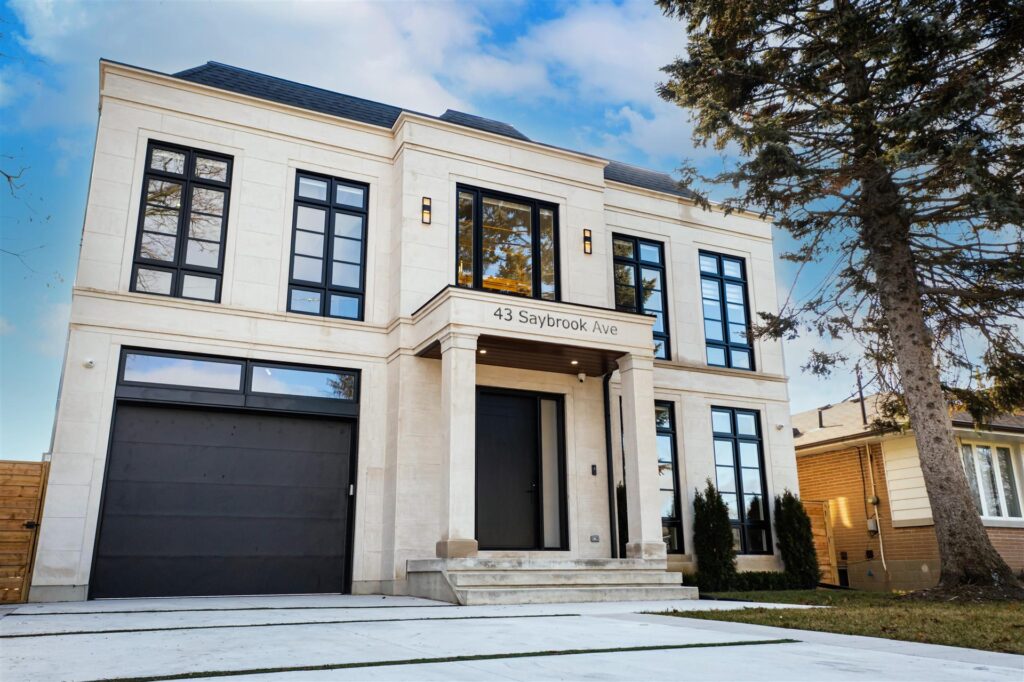
A modern house typically features simple rooflines and strong geometry. Decorative trim is minimal, and the structure itself becomes the primary visual element.
Open and Functional Layouts
Rooms are often organized in open layouts where spaces flow naturally into one another. This creates visual continuity and allows the home to feel larger and more connected.
Emphasis on Natural Light
Large windows and open sightlines allow daylight to move throughout the home. Light becomes an important part of how the architecture is experienced during different times of day.
Honest Use of Materials
Modern design values materials for what they are. Wood, glass, steel, stone, and concrete are often used in simple, straightforward ways rather than covered with decorative finishes.
A Modern House vs Contemporary Design
Modern and contemporary design are frequently confused, but they refer to different ideas. Modern design describes a specific architectural movement that began in the early twentieth century. It follows a set of principles centered on simplicity, structural clarity, and purposeful design. The forms, materials, and layouts associated with modern architecture come from this historical foundation.
Contemporary design, by contrast, refers to what is current at a given moment. It reflects evolving trends rather than a fixed architectural philosophy. What is considered contemporary today may look very different ten or twenty years from now.
A home can feel contemporary without being modern. For example, a house may use current finishes or popular design features while still following a traditional layout or decorative style.
Understanding this distinction helps explain why a modern house often looks timeless. Its design is based on long-standing architectural ideas rather than short-term trends.

Characteristics of a Modern House Exterior
From the street, modern homes are usually recognizable by their clear structure and restrained appearance. Together, these elements contribute to the recognizable modern house meaning.
Strong Geometry
The exterior is often composed of simple shapes arranged in balanced proportions. Horizontal and vertical lines define the architecture rather than decorative trim.
Mixed but Balanced Materials
Modern homes frequently combine materials such as wood, stone, metal, and smooth masonry. These materials are used deliberately to create contrast and visual interest.
Controlled Landscaping
Landscaping tends to complement the architecture rather than compete with it. Plantings are often simple and organized in ways that highlight the structure of the home.
Modern Homes: Layout, Function, and Everyday Living
One of the most important aspects of modern home design is how the interior supports daily life.
Modern homes are often planned with open layouts that allow spaces to connect naturally. Kitchens, dining areas, and living spaces may share one large zone while still maintaining their own purpose. This arrangement encourages interaction and makes the home feel more open.
Circulation through the house is typically intuitive. Hallways are minimized, and rooms are positioned so movement feels natural. This thoughtful planning allows people to move easily between areas without unnecessary barriers.
Flexibility is another defining modern house characteristic. Many modern homes include spaces that can serve multiple roles, such as a guest room that functions as a home office or a living area that adapts to changing needs over time.
Integrated storage also plays a role in keeping spaces organized. Built-in cabinetry, concealed closets, and efficient planning reduce visual clutter and help maintain the clean appearance associated with modern design.
Light and the Connection Between Indoors and Outdoors
Natural light plays a major role in how modern homes feel and function.
Large windows, sliding glass doors, and clerestory glazing allow daylight to move deeper into the interior. As light shifts throughout the day, it changes how surfaces and spaces are experienced.
Modern style houses also tend to create strong relationships between indoor and outdoor areas. Patios, terraces, and covered outdoor spaces are often positioned as extensions of the interior living areas.
Consistent flooring materials and wide openings help these spaces feel connected. The result is a home that feels open to its surroundings rather than closed off from them.
Materials, Durability, and Long-Term Value
Material selection is an important part of modern design. Rather than relying on decorative detailing, modern homes often use texture and contrast to create visual interest. Natural wood grain, stone surfaces, smooth concrete, and matte metals contribute depth without unnecessary ornament.
Durability is also a key consideration. Materials are often chosen for how they perform over time as well as how they look. This practical approach helps many modern homes maintain their appearance for decades.
Because the design relies on simple forms and neutral materials, modern homes often age well visually. They can adapt to changing interior styles without requiring major architectural changes.
These modern house characteristics also align with efficient building practices. Durable materials, daylight access, and thoughtful planning can support long-term performance while reducing unnecessary waste.
Interior Design Concepts in Modern Homes
Inside a modern home, the same principles of clarity and restraint continue.
Open Sightlines
Living areas are typically arranged so that spaces connect visually. Kitchens, dining areas, and living rooms often share open views while remaining clearly defined.
Neutral and Grounded Colour Palettes
Modern interiors commonly use whites, greys, natural wood tones, and muted colours. These palettes allow materials, light, and form to take visual priority.
Integrated Storage
Storage is frequently built into the architecture through cabinetry, wall systems, and concealed closets. This approach keeps interiors organized and uncluttered.
FAQs About Modern Home Design
Final Thoughts on Modern Home Design
Modern home design is rooted in clarity, purpose, and thoughtful architecture. Instead of relying on decoration, it focuses on proportion, natural light, and how spaces support everyday living. When these principles are applied carefully, the result is a home that feels open, functional, and lasting in its design.
Working with an experienced builder can help translate these ideas into a well-planned living space. At Nick’s Developments, we work with clients to design and build modern homes that balance architectural clarity with practical living needs. If you’re exploring the idea of a modern home, contact our team today.